
Practical Lock Picking
A Physical Penetration Tester's Training Guide by Deviant Ollam
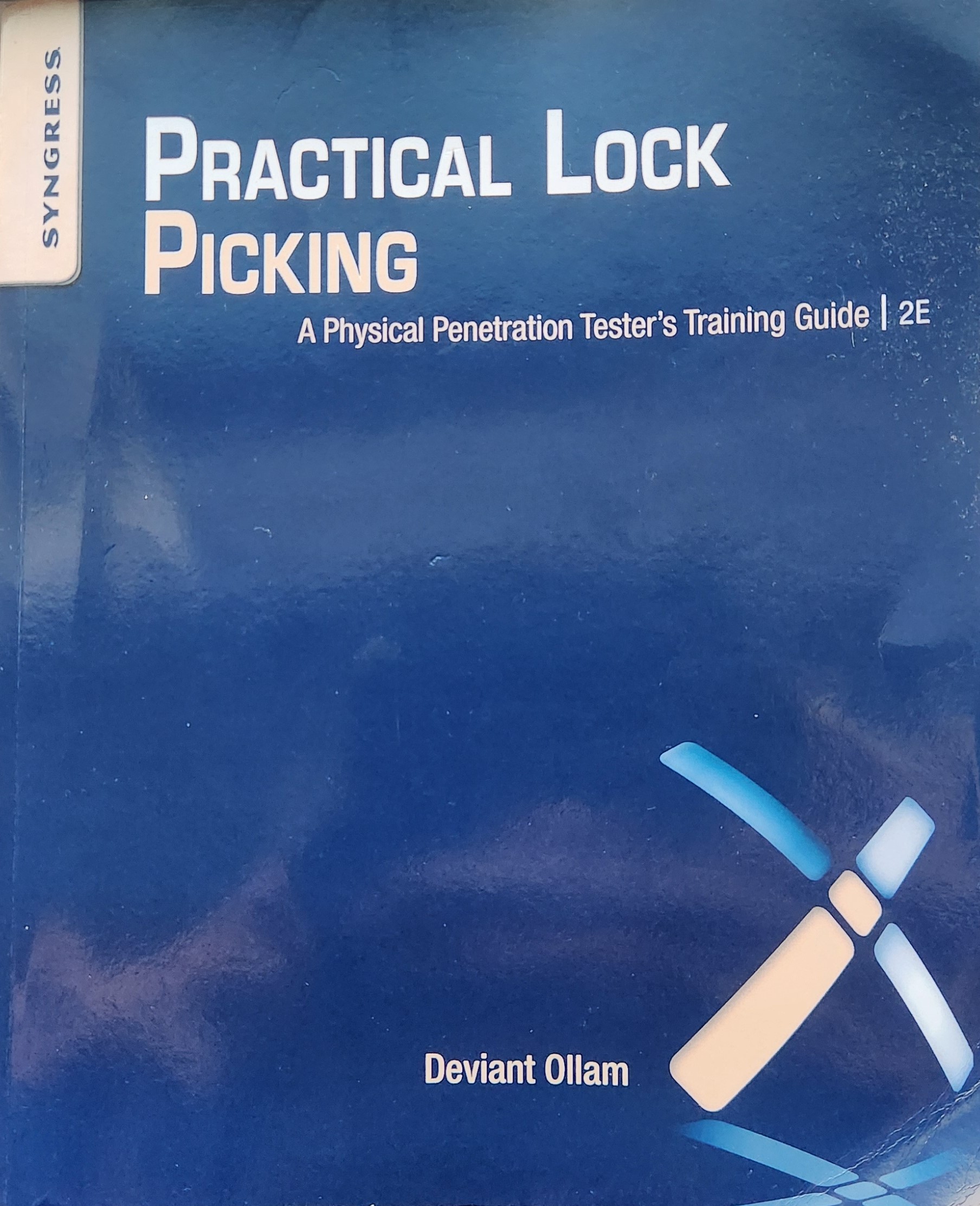
A 5/5 recommend if you are interested in learning about lock picking
Summary
Practical Lock Picking by Deviant Ollam serves as an excellent short and sweet textbook to help learn the art of physical penetration testing. It covers much more than just the techniques themselves but also the tools of the trade and the technologies of the locks themselves.
The discussed topics range from how locks are made and how to disassemble them and change the pins, to a plethora of picking techniques such as raking and the use of bump keys.
The book consists of 6 chapters and a fairly beefy appendix section. It comes in at 263 pages total, with a lot of the space being taken up by the wonderful graphics that help visualize the ideas presented.
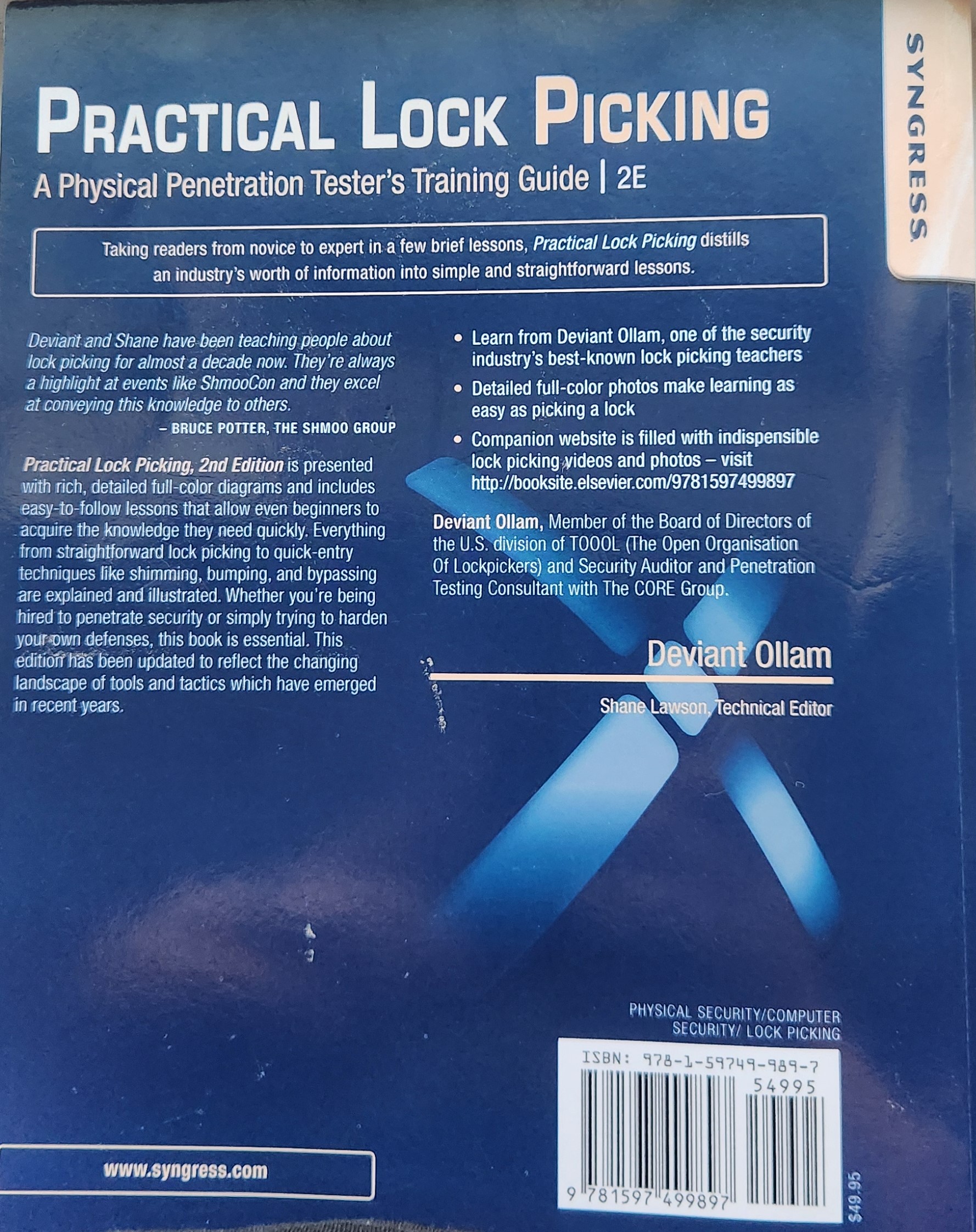
There is so much space back here!
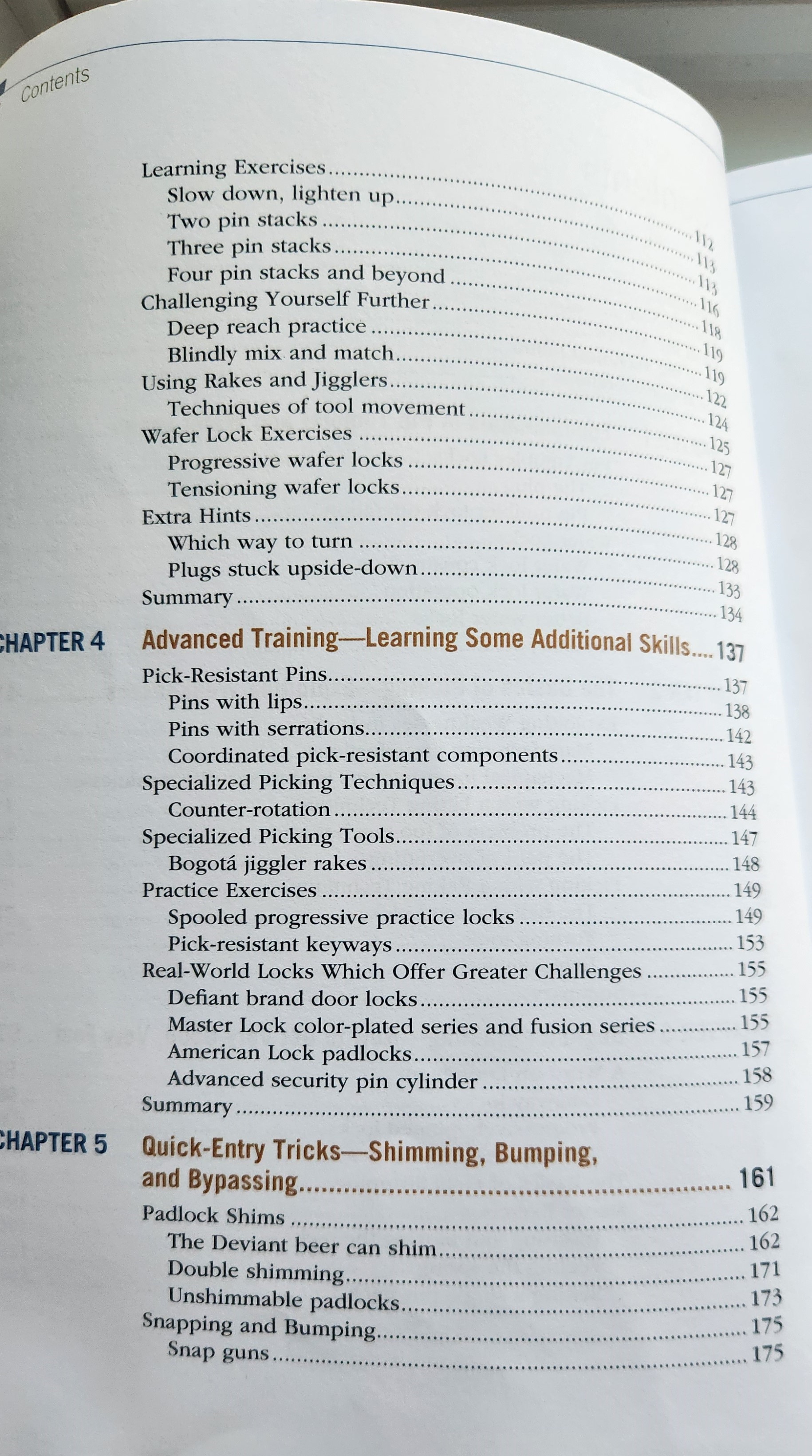
Chapter 1: Fundamentals of Pin Tumbler and Wafer Locks
This chapter covers how pin tumbler and wafer locks are made and how they operate.
Chapter 2: The Basics of Picking - Exploiting Weaknesses
This chapter covers how variations in lock manufacturing tolerances lead to the primary weaknesses we exploit when picking. It also covers the most common issues people run into when picking and other basic techniques such as raking.
Chapter 3: Beginner Training - How to Get Very Good, Very Fast
This chapter covers the actual hands-on training route that should be done to develop lock picking skills. It recommends starting with 1-pin practice locks and then moving to 2, 3, and 4. It also discusses some tips and tricks to help learn picking.
.jpg)
Chapter 4: Advanced Training - Learning Additional Skills
This section introduces and discusses how to pick security pins such as spools. It also introduces a large variety of common real-world locks.
Chapter 5: Quick-Entry Tricks - Shimming, Bumping, and Bypassing
This section discusses a variety of quick entry techniques that can sometimes be effective, negating the need to pick the lock altogether. It touches on door bypassing, bump keys, and shimming primarily.
Chapter 6: They All Come Tumbling Down - Other Configurations
This chapter covers tubular locks, cruciform locks, and dimple locks - how they operate and how to pick them.
Appendix: Guide to Tools and Toolkits
A visual guide to the vast majority of tools, including picks and tension wrenches that a person may come across. The section also briefly discusses pick kits and how to choose which picks should be included in yours.
.jpg)
My Thoughts
While I still feel like I just jiggle my pick around, I now feel like I do so with purpose and understand the processes. Reading the book drastically improved my picking ability, allowing me to show off a little bit at DEFCON and get the level 5 and level 6 lock picking stickers.
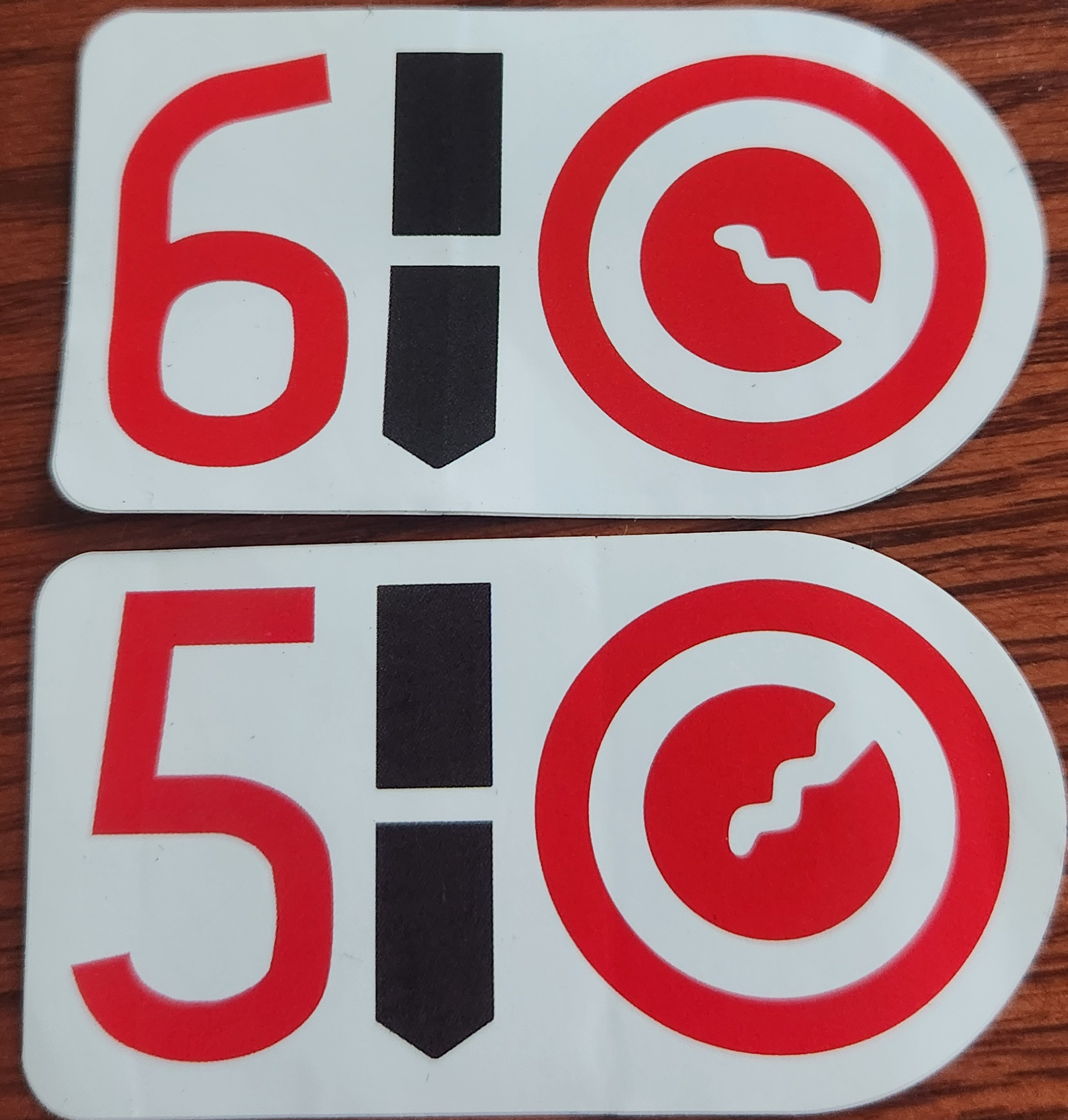
It's not much, but it's honest work
The book includes a lot of stellar visuals that really go a long way in helping the reader visualize the ideas being presented. It also has impressive depth, covering a wide range of topics, while remaining short and easy to read. The information was rather matter-of-fact and to the point, just as it should be in learning material.
.jpg)
The visuals go a long way to making this a great book
Key Takeaways
Practical Lock Picking will take you from knowing nothing about locks or lock picking to being the expert in the room on the topic in many of the rooms you may find yourself. It was easy to read, not too long, and the visuals really helped with understanding. With this book and a lot of practice (by far the most important), you can quickly learn the skills required to perform physical penetration testing - at least the lock picking portion.
.png)
Where to Buy
$34.97 at time of writing
amazon.com